Small-school attention
Teachers, leaders, and families work as partners. The experience feels personal because children are seen closely, not processed at a distance.
 SCISA Accredited - 2K-8 - Columbia, SC
Timmerman pairs rigorous classroom habits with small-school attention so students grow in confidence, conduct, and readiness.
From 2K through 8th grade, students move through strong reading, writing, math, science, history, arts, athletics, family resources, and teachers who know their next step.
Two-year-old kindergarten through 5K, with age-appropriate academics, play, social growth, and a steady reading foundation.
Explore early yearsLiteracy, writing, mathematics, science, history, geography, language, library, STEAM, and research habits.
See curriculumAthletics, fine arts, dance, PE, aftercare, summer camp, lunch, media, uniforms, supply lists, and campus events.
Find student lifeStudents are seen closely, taught carefully, and expected to grow in work habits, conduct, confidence, and responsibility.
Teachers, leaders, and families work as partners. The experience feels personal because children are seen closely, not processed at a distance.
Students build strength in core academics while exploring STEAM, arts, athletics, language, and leadership.
The road reaches beyond the next grade toward thoughtful readiness for high school, college habits, and life beyond.
Start with kindergarten, continue through elementary and middle school, and find the right support through LOGIC, summer, arts, athletics, and parent resources.
Half-day 2K-4K and full-day 5K give younger students a stable start through play, early academics, social confidence, problem solving, and independent reading.
Kindergarten detailsElementary school focuses on strengths, weaker areas, reading, handwriting, social studies, library, vocabulary, math, science, Spanish, PE, STEAM, and art.
Elementary detailMiddle school adds a challenging academic schedule, character expectations, language arts classics, history, math, science, languages, and Teacher Cadet experience.
Middle school detailWith over thirty years of experience, LOGIC offers a more individualized education path for differently-abled students through care, compassion, and conversation.
LOGIC detailSummer programming includes water play, STEM projects, arts and crafts, puppet shows, plays, KidFit, tech days, weekly themes, reading time, and friends.
Summer detailAcademic strength starts with core subjects and grows into practical discovery: literacy, writing, mathematics, science, history, geography, library habits, language, and hands-on thinking.
Reading is treated as the essential early skill, supported by comprehensive reading programs from 5K through 8th grade and weekly library visits for kindergarten and elementary students.
Students move from early sentence formation toward stronger expression, critical thinking, and middle-school research papers.
Math is taught as a core life skill for problem solving, analytical thinking, and creative reasoning, with middle-school math team strength as part of the tradition.
Science combines classroom fundamentals with hands-on STEAM experiences in technology, engineering, and art for elementary and middle school students.
Students learn culture, economics, geography, and history so they understand their place in the world and the choices that shape the future.
Spanish, French, library, vocabulary, and research habits broaden the academic path and keep communication central.
Arts, athletics, physical education, summer camp, lunch, campus events, and parent logistics are part of the everyday rhythm of the school.
Sports and physical education emphasize sportsmanship, perseverance, character, active habits, team building, and individual goals.
Athletics pageFine arts are treated as part of a rounded education. Dance includes ballet, tap, acrobatics, jazz, ballets, and recitals.
Fine arts pageFamilies can follow Facebook updates, media, the annual golf tournament, school calendar, lunch, uniforms, and supply lists.
Parent resourcesA 12-week summer program keeps students active through STEM, arts, water play, KidFit, tech days, themes, reading time, and friends.
Summer program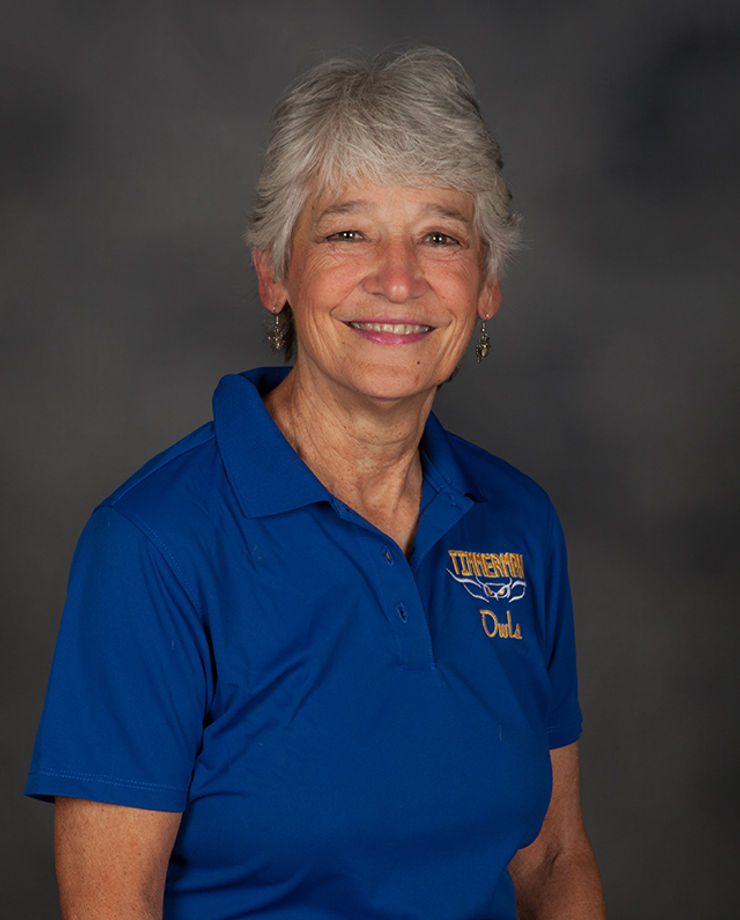
Over sixty-five years ago, L. Jordan's mother founded Timmerman School. Today, she leads the school with the faculty and staff as partners in each child's road to success.
Families are invited to call, email, and stay connected throughout the year; her door is open and input is welcomed.
The full faculty and staff gallery is grouped by leadership, early childhood, elementary, middle school, and student-life support.
The first family touchpoints: school leadership, admissions conversations, and day-to-day office support.
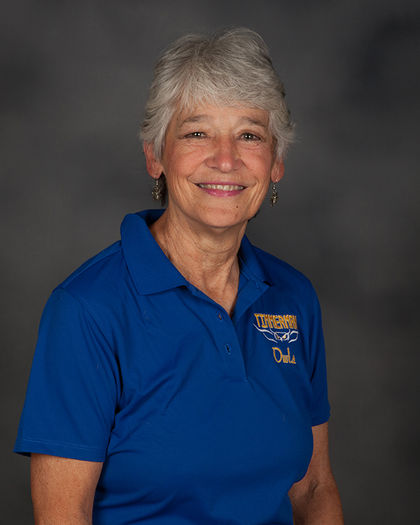


Youngest learners are grouped from two-year-old kindergarten through 5K so parents can scan the early childhood path in order.


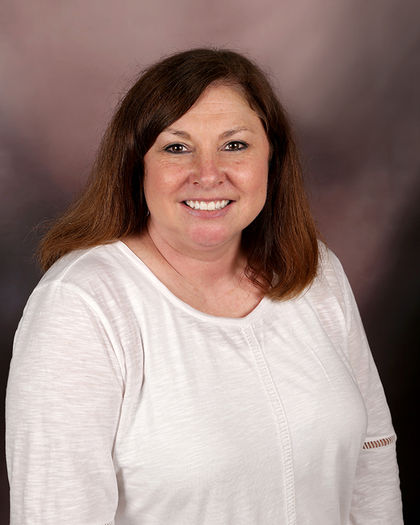


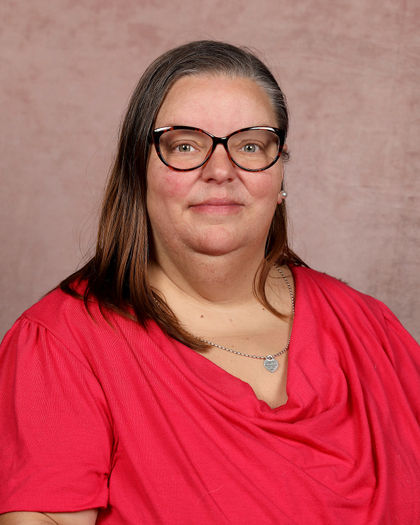


Lower school leadership and classroom teachers are ordered from first grade through upper elementary.


Middle school faculty are grouped together, including the upper math and STEAM role that bridges fourth grade and middle school.


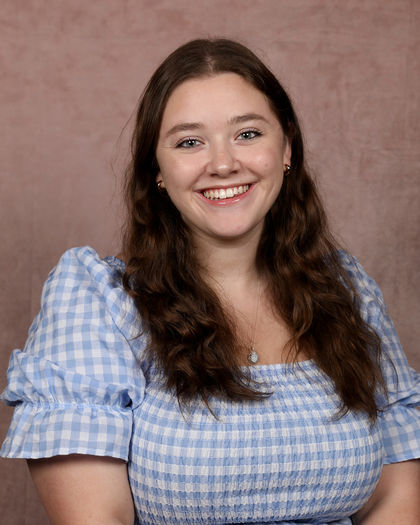


Specialized support, arts, library and technology, aftercare, athletics, and physical education complete the student experience.


Applications, tuition, immunization, handbook, calendar, lunch, uniforms, supply lists, media, directions, and school updates are gathered here for families.
The admissions path is clear: call or email, come to campus, then schedule entrance testing and begin the application process.
Schedule a campus tour with the front office at 803-782-2748 or info@timmermanschool.org.
Visit 2219 Atascadero Drive and see the classrooms, tone, people, and expectations in motion.
Schedule entrance testing, complete the application, and use the fee schedule and handbook to move forward with clarity.